
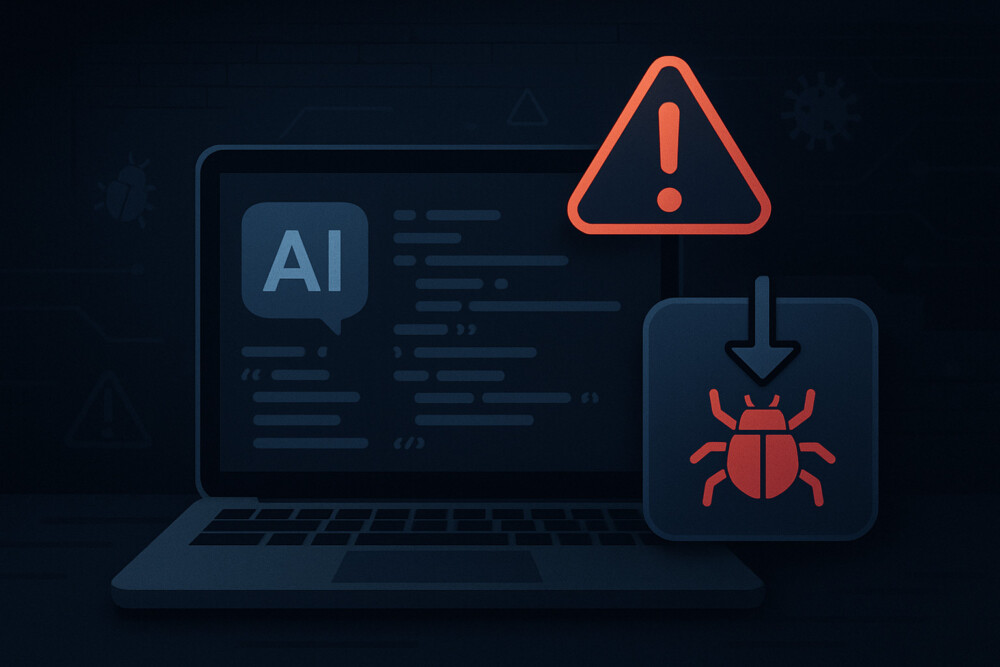
Hackers are circulating a Claude Code leak malware package that appears to include more than just stolen software. The version being shared is reportedly modified with additional malicious code, turning a leak into a broader security incident for developers and anyone experimenting with AI coding tools.
The main concern is not the existence of the leak itself. It is the fact that the copy being posted online is said to come bundled with malware, which means anyone who downloads and runs it could expose a system, credentials, or a development environment.
What makes the Claude Code leak risky
The Claude Code leak is risky because the circulating package is not being treated as a clean copy of the tool. Instead, hackers are posting a version that includes extra malware, which changes the threat from piracy or unauthorized distribution into a possible infection vector.
That matters for developers because software used in coding workflows often has access to sensitive files, tokens, and internal services. If a compromised package lands in that environment, the damage can extend beyond a single machine.
A supply-chain style threat
This Claude Code leak malware incident fits a supply-chain style pattern: a package that looks like software someone might want is distributed with hidden malicious code. The danger comes from trust. A user who believes they are installing a leaked tool may instead be installing an attacker-controlled payload.
That kind of threat is especially relevant for people testing AI coding tools, where downloads may already be coming from unofficial or questionable sources. In that setting, a modified leak can become a fast path to compromise.
Who should be cautious
Developers, AI tool users, and organizations experimenting with coding assistants should treat the circulating package as unsafe. The key risk is that the malware could infect a device or expose sensitive development data if someone installs the compromised version.
- Do not assume a leaked package is harmless.
- Be wary of unofficial downloads tied to AI tools.
- Protect development credentials and local environments.
The bigger security lesson
The bigger security lesson from the Claude Code leak malware story is simple: a leak can be dangerous even before anyone knows exactly what is inside it. Once malicious code is added, the package stops being just a stolen copy and becomes a delivery mechanism for a broader attack.
For now, the safest assumption is that the circulating version is compromised and should be treated as a security threat rather than a usable download.