
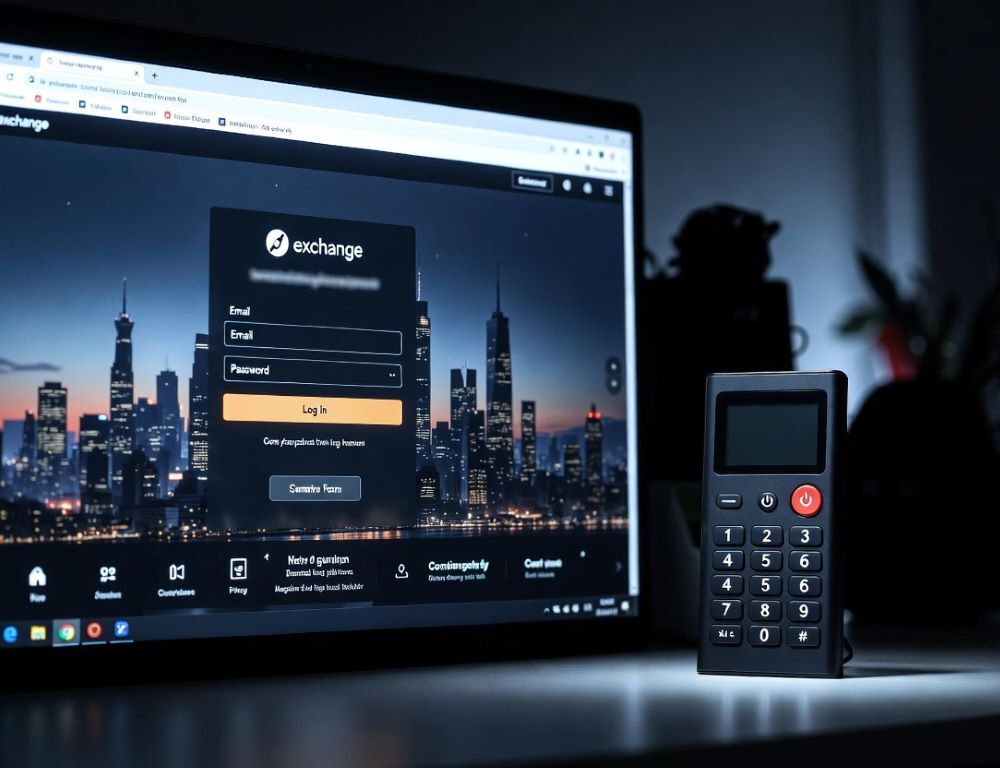
The exchange vs hardware wallet choice depends on how often you transact, how long you plan to hold, and how painful a temporary lockout would be. One option optimizes for speed and convenience, the other for control and risk reduction.
A practical default is splitting funds: keep an “operating balance” on an exchange, and keep long-term holdings in a hardware wallet. If you are unsure where the line is, set a maximum loss you can tolerate on the exchange and treat everything above that as long-term storage.
- What is safer for storing crypto, an exchange or a hardware wallet?
- What is the difference between custodial and non-custodial crypto storage?
- When does keeping crypto on an exchange make sense in daily use?
- What risks does an exchange add even if your security settings are strong?
- What security steps reduce risk if you keep crypto on an exchange?
- What security steps make a hardware wallet setup reliable for long-term storage?
- What mistakes cause the biggest losses when people store crypto?
- What hybrid approach works for most people?
What is safer for storing crypto, an exchange or a hardware wallet?
A hardware wallet is usually safer for storing crypto because you control the keys, while an exchange adds platform and custody risk. Exchanges can be compromised, accounts can be phished, withdrawals can be paused, and compliance actions can temporarily restrict access.
Self-custody is not “zero risk,” it shifts risk. With a hardware wallet, the biggest danger is user error: losing the recovery backup, mishandling setup, or approving the wrong transaction. The goal is to choose the risk you can realistically manage.
What is the difference between custodial and non-custodial crypto storage?
The difference between custodial and non-custodial crypto storage is who controls the private keys. Custodial storage means the platform holds keys on your behalf. Non-custodial (self-custody) means you hold and protect keys yourself.
FATF (2023) describes an “unhosted wallet” as software or hardware that lets a user store, hold, and transfer virtual assets without a third-party, and it describes “cold storage” as keeping assets in an offline unhosted wallet. That maps cleanly to real life: exchanges are custodial, while hardware wallets are a common form of non-custodial cold storage when set up correctly.
When does keeping crypto on an exchange make sense in daily use?
Keeping crypto on an exchange makes sense when you trade frequently, need quick conversions, move funds often, or rely on exchange-based features. In those cases, the exchange functions like a checking account, not a vault.
If you want a step-by-step example of a “digital coin” purchase workflow where correctness and verification matter, the post on how to buy TikTok coins step by step is a useful reference point (not crypto, but the operational mindset is similar).
What risks does an exchange add even if your security settings are strong?
Exchange risk remains even with strong personal hygiene because some failure points sit inside the platform: custody controls, wallet management, internal access, and infrastructure attacks. There is also operational risk, such as withdrawal freezes during incidents.
IOSCO (2025) cites the March 2025 ByBit incident in which roughly USD 1.5 billion in crypto-assets were stolen after an attacker gained access to a wallet controlling private keys. The practical takeaway is simple: part of the threat model is outside your account settings.
What security steps reduce risk if you keep crypto on an exchange?
Exchange security steps should focus on preventing account takeover and limiting blast radius.
- Use 2FA and avoid SMS where possible, prefer an authenticator app or a hardware security key.
- Enable anti-phishing features and review login notifications.
- Turn on withdrawal address allowlists and lock down any changes to allowlists.
- Restrict API keys and avoid enabling withdrawals via API unless absolutely required.
- Use a dedicated email account for exchanges with its own strong security.
- Keep only an operating balance on the exchange, withdraw the rest on a schedule.
Validation that your setup works: run a small test withdrawal to your own wallet, confirm alerts arrive quickly, and review recent sessions for unknown devices. If alerts are inconsistent, harden your email and reset sessions.
Which 2FA method is worth using on an exchange?
A non-SMS 2FA method is worth using on an exchange because it reduces SIM-swap exposure and makes remote takeover harder. The best option is the one you will keep enabled consistently and can recover safely if your phone is lost.
What security steps make a hardware wallet setup reliable for long-term storage?
Hardware wallet security steps should protect both the keys and the recovery backup. IOSCO (2025) describes a “cold wallet” as a hardware wallet not connected to the internet, while a “hot wallet” is connected to the internet and carries a different risk profile.
A reliable baseline:
- Buy from official channels, avoid second-hand devices.
- Generate the wallet fresh, never use a pre-written recovery phrase.
- Write the recovery phrase offline, no photos, no cloud notes, no email.
- Keep two copies stored separately in safe locations.
- Use a PIN, and use an extra passphrase only if you understand recovery.
- Update firmware through official software.
- Test recovery on a clean test flow before moving large funds.
- Move funds in stages: small test transfer first, then the main amount.
If you are also deciding what to hold for the long term, a comparison of BTC with other cryptocurrencies by role, risk, and liquidity helps align storage choices with the asset’s real purpose.
What mistakes cause the biggest losses when people store crypto?
The biggest loss-driving mistakes when people store crypto are usually social engineering and rushed approvals, not “advanced hacking.” FBI IC3 (2022) reports losses involving cryptocurrency of USD 827.6 million among victims aged 60+, which shows how expensive trust-based scams can be.
- Storing the recovery phrase in cloud storage, email, or screenshots.
- Installing “support” tools and giving remote access to a device.
- Approving unknown transactions or permissions without understanding them.
- Skipping address verification on the hardware wallet screen.
- Keeping the full balance on an exchange with no limit and no withdrawal plan.
A simple safety habit is the small-test rule: any new action starts with a small amount and a deliberate re-check.
What hybrid approach works for most people?
A hybrid approach works for most people when long-term holdings sit in a hardware wallet and only an operating balance stays on an exchange. Set a cap for the exchange balance and withdraw excess funds routinely.
A good outcome looks like this: you can recover your self-custody wallet because you tested recovery, and an exchange incident would only impact a pre-limited operating amount.
Sources: