
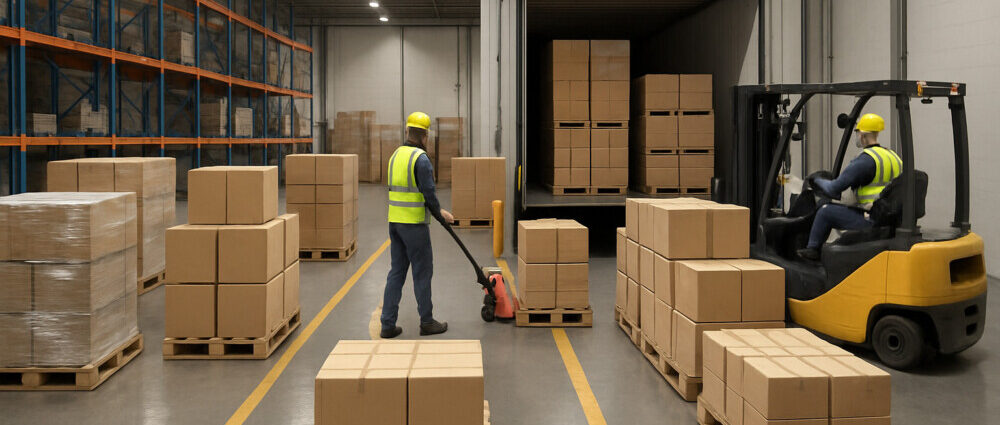
A consolidation warehouse is a logistics facility that receives goods from multiple suppliers or locations, groups them into larger outbound shipments, and sends them on with fewer trips. For businesses managing fragmented inventory, small purchase orders, or multi-vendor deliveries, this setup can lower freight costs, reduce handling at the destination, and create better control over timing.
Consolidation warehouse basics
A consolidation warehouse works as a staging point between inbound supply and outbound delivery. Instead of sending every supplier shipment directly to a store, customer, plant, or distribution center, products first arrive at one warehouse where they are checked, sorted, and combined into more efficient loads.
This model is common in retail, manufacturing, e-commerce, and international shipping. A company may use it to merge supplier orders into one truckload, build store-ready deliveries, or combine export cargo before final transport.
The core value is simple: fewer partial shipments and better load utilization. That usually means lower per-unit transport cost and less operational friction downstream.
How a consolidation warehouse works in practice
A consolidation warehouse follows a receive-sort-combine-dispatch flow. Goods arrive from different vendors, are verified against shipment details, and are then held briefly until enough compatible freight is available for a planned outbound load.
Inbound receiving and checking
Inbound receiving and checking confirms that the right goods arrived in the right condition. Teams typically inspect quantities, packaging, pallet condition, and delivery timing before assigning the freight to a staging area.
If products are damaged or mislabeled, the warehouse can stop the issue before it reaches the final destination. That is one reason many businesses use consolidation to improve quality control as well as transport efficiency.
Sorting and load building
Sorting and load building groups freight by destination, route, carrier, or delivery window. Items may be repalletized, combined with other supplier goods, or arranged into mixed loads that match store, customer, or project requirements.
Some facilities also perform light value-added services such as relabeling, carton rework, kitting, or pallet wrapping. Those tasks help create cleaner outbound shipments without requiring a full distribution operation.
Outbound shipping and verification
Outbound shipping and verification sends consolidated freight once the planned load is complete. Before dispatch, warehouse staff usually confirm pallet counts, shipping documents, and route assignments to reduce delivery errors.
A simple way to verify the process worked is to compare the number of inbound supplier shipments with the number of outbound loads. If consolidation is effective, outbound moves should be fewer, fuller, and easier to receive.
When a consolidation warehouse makes sense
A consolidation warehouse makes sense when inbound freight is frequent, fragmented, or expensive to move separately. Businesses often benefit most when they buy from many suppliers, receive low-volume orders, or ship to destinations that prefer fewer deliveries.
- Multiple vendors ship to the same destination
- Small orders prevent efficient full-truck or container use
- Delivery appointments are limited or expensive to manage
- Sites want one coordinated receipt instead of many separate arrivals
- International cargo needs to be grouped before export or final inland transport
The model is less attractive when products are urgent, highly perishable, or too time-sensitive to wait for load building. Added dwell time can erase transport savings if speed matters more than efficiency.
Key benefits and tradeoffs to evaluate
Key benefits and tradeoffs determine whether a consolidation warehouse improves your logistics costs or adds another layer of handling. The biggest upside is usually freight savings, but the full picture includes labor, storage time, system visibility, and service reliability.
Benefits
Benefits include lower transportation cost, better shipment control, and simpler receiving at the destination. Consolidation can also reduce carbon impact by cutting the number of trips and improving vehicle fill rates.
- Lower less-than-truckload or parcel spending
- Better use of truck or container capacity
- Fewer delivery events for stores, warehouses, or job sites
- Improved inspection and exception handling before final shipment
- Cleaner scheduling across carriers and destinations
Tradeoffs
Tradeoffs include extra handling, temporary storage, and possible delays if inbound shipments arrive late. Every additional touchpoint introduces some risk of damage, miscounts, or inventory visibility gaps unless processes are tight.
A safer first step is to pilot consolidation on one route, one supplier group, or one destination cluster before changing the whole network. If the pilot does not reduce cost or improve service, review dwell time, handling charges, and supplier compliance before expanding.
What to check before choosing a consolidation warehouse
Choosing a consolidation warehouse requires clear data on shipment patterns, costs, and service expectations. A low warehouse rate alone does not guarantee savings if transport planning, inventory accuracy, or turnaround times are weak.
- Average inbound shipment size and frequency
- Current freight cost by mode and destination
- Required delivery windows and service levels
- Warehouse management and tracking capability
- Handling fees, storage rules, and exception processes
- Damage rates, claim handling, and accountability terms
One practical test is to compare total landed cost before and after consolidation, not just line-haul rates. If results are unclear, track three numbers for a trial period: cost per delivered unit, average delivery count per destination, and on-time performance.
If those metrics improve without creating stock delays, the consolidation warehouse model is likely a good fit. If they do not, the next step is usually to adjust shipment timing, supplier cutoffs, or route design rather than abandon the idea immediately.