
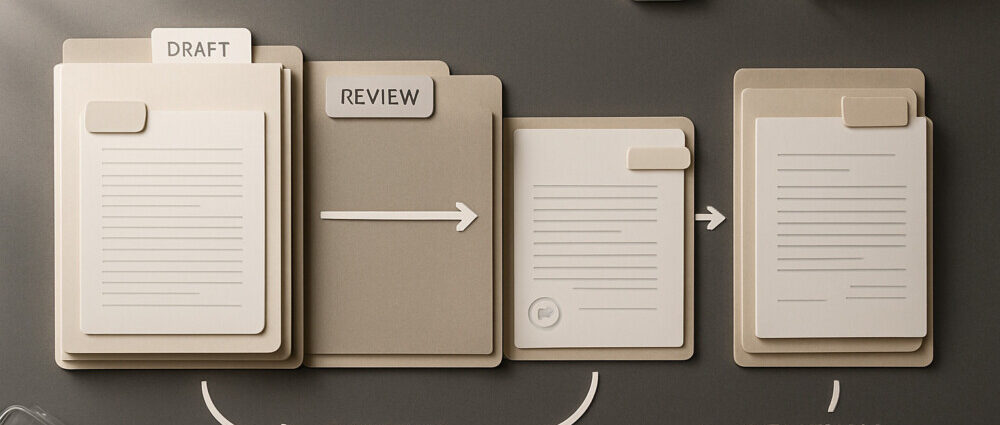
Contract management applications are software tools that help businesses create, review, approve, store, track, and renew contracts in one controlled system. For teams handling vendor agreements, sales documents, procurement terms, or legal paperwork, these platforms reduce manual follow-up, improve visibility, and make deadlines much harder to miss.
Contract management applications solve process and visibility problems
Contract management applications solve process and visibility problems by replacing scattered files, email chains, and spreadsheet reminders with a centralized workflow. Instead of searching shared drives or inboxes for the latest version, teams can work from one source of truth for drafting, approvals, signatures, obligations, and renewal dates.
This matters most when contracts move across multiple departments. Legal may review language, procurement may negotiate terms, finance may check pricing, and operations may need to track service obligations. A dedicated system keeps each step visible and reduces confusion over ownership.
- Central storage for active and archived agreements
- Version control during drafting and negotiation
- Approval routing based on role or contract type
- Alerts for renewal, expiration, and compliance milestones
- Searchable metadata such as vendor, value, term, and status
Core features matter more than long feature lists
Core features matter more than long feature lists because the best contract management applications usually succeed on usability, control, and lifecycle tracking rather than sheer complexity. A platform that people actually use is more valuable than one packed with options that slow down adoption.
Central repository and search
Central repository and search are essential because contracts lose value when they cannot be found quickly. Strong search should let teams locate agreements by party, date, department, contract type, renewal window, or custom fields rather than by filename alone.
Workflow automation and approvals
Workflow automation and approvals keep contracts moving without constant manual chasing. Rules can send the right agreement to the right reviewer, escalate stalled approvals, and create a consistent process for low-risk and high-risk documents.
Templates and clause control
Templates and clause control improve speed and consistency by reducing copy-paste drafting. Legal and procurement teams can standardize approved language, fallback clauses, and required sections while still allowing negotiated changes when needed.
Renewal tracking and obligation management
Renewal tracking and obligation management protect teams from missed dates and silent auto-renewals. Good systems flag upcoming renewals early, surface notice periods, and track commitments such as pricing reviews, service levels, or deliverables.
Best uses depend on the team and contract volume
Best uses depend on the team and contract volume because not every organization needs the same level of automation. Some businesses mainly need secure storage and reminders, while others need end-to-end lifecycle management tied to procurement, sales, or compliance workflows.
Common use cases include:
- Procurement teams: managing supplier contracts, pricing terms, and renewal deadlines
- Sales operations: handling customer agreements, approvals, and signature workflows
- Legal teams: controlling templates, clauses, and review processes
- Finance teams: tracking payment terms, commitments, and audit readiness
- HR teams: storing employment-related agreements and policy acknowledgments
Smaller teams often benefit first from visibility and reminders. Larger organizations usually gain more from workflow rules, integrations, audit trails, and permission controls.
Choosing contract management applications requires a practical checklist
Choosing contract management applications requires a practical checklist that focuses on daily work, not just product demos. The right choice depends on who touches contracts, how approvals happen, and which failures create the biggest business risk.
Start with these checks:
- Map your contract stages from request to renewal
- Identify which teams need access and which need approval authority
- Check whether the system supports your contract types and templates
- Review search quality, reporting, and alert flexibility
- Look for integrations with e-signature, CRM, ERP, or document storage tools
- Confirm audit trails, permissions, and retention controls
- Test how easy it is to upload existing agreements in bulk
A useful verification step is to run a sample contract through drafting, approval, signing, storage, and renewal alert setup. If the process feels slower than your current workflow, adoption may be difficult. If it works well for a real contract, not just a polished demo, the platform is more likely to fit.
Implementation succeeds when the process is cleaned up first
Implementation succeeds when the process is cleaned up first because software cannot fix unclear ownership or inconsistent approval rules on its own. Contract management applications work best after teams define standard templates, approval paths, metadata fields, and renewal responsibilities.
A safer first step is to start with one contract category, such as vendor agreements or sales contracts, before migrating everything at once. Large imports can create clutter if old files are inconsistent or poorly tagged. That risk is manageable when teams clean data before rollout.
After launch, verify success by checking three things: contracts are easy to find, approval times are shorter, and renewal alerts trigger early enough to act. If those results do not appear, the next step is usually to refine fields, permissions, and workflow rules rather than replace the system immediately.
For most organizations, the value of contract management applications comes down to control, speed, and fewer preventable mistakes. The strongest platforms make contracts easier to manage from first draft to final renewal without forcing teams into more manual work.